
The Machinery of Despair: Inside the World of Hell

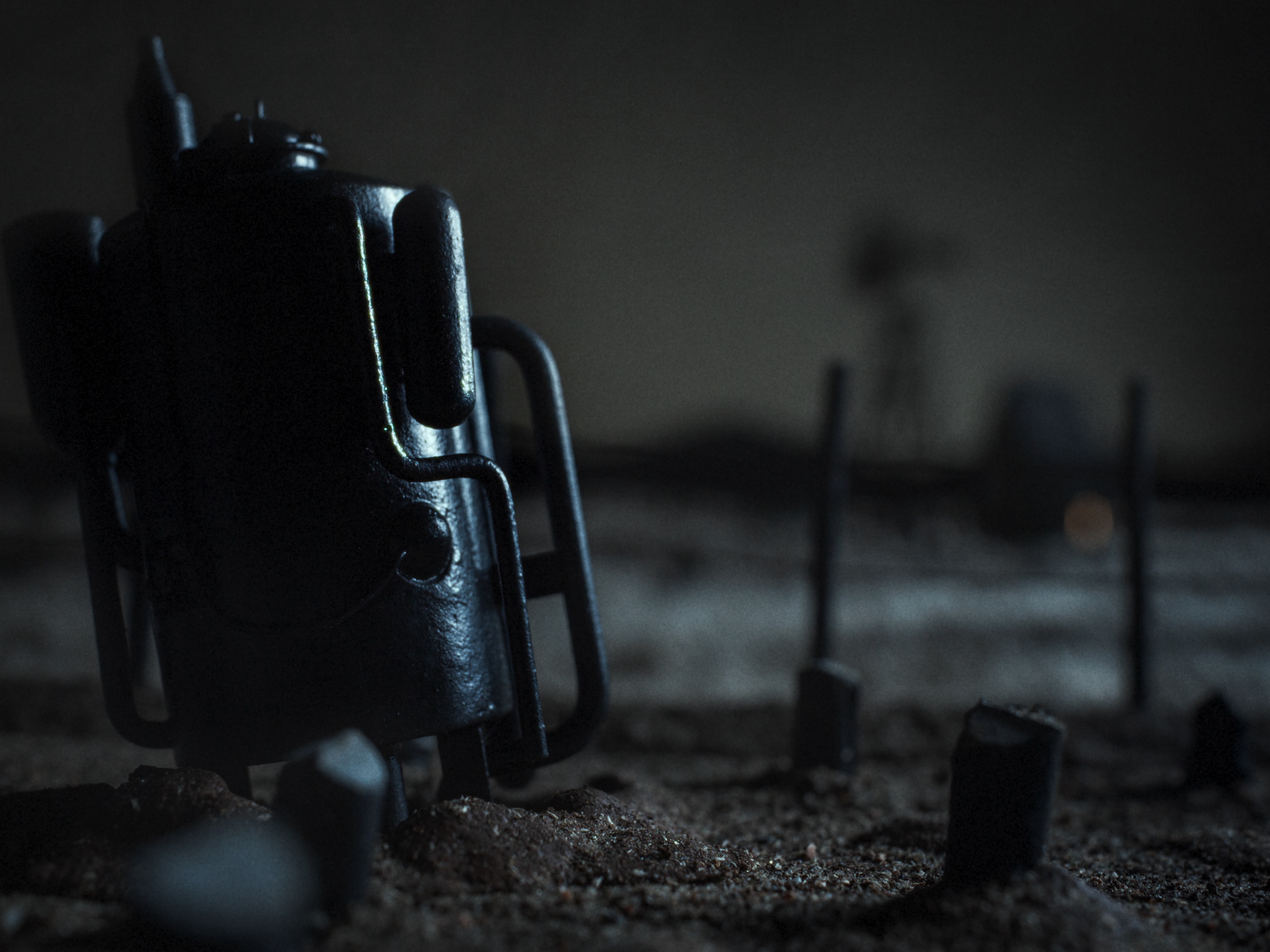
In Hell, we enter a stop-motion meditation on grief, environmental collapse, and the inescapable consequences of our choices. Set on a dying farm in the fictional Ash Harbor, the film invites viewers to walk through barren fields, decayed machinery, and the remnants of broken dreams, witnessing a world slowly consumed by human folly. WMM was honored to help bring this visually and emotionally striking story to life.
Set to premiere at [Festival Name] on [Date], we sat down with director of animation, producer, and editor Erika Totoro to discuss the creative challenges, and behind-the-scenes moments that shaped Hell.
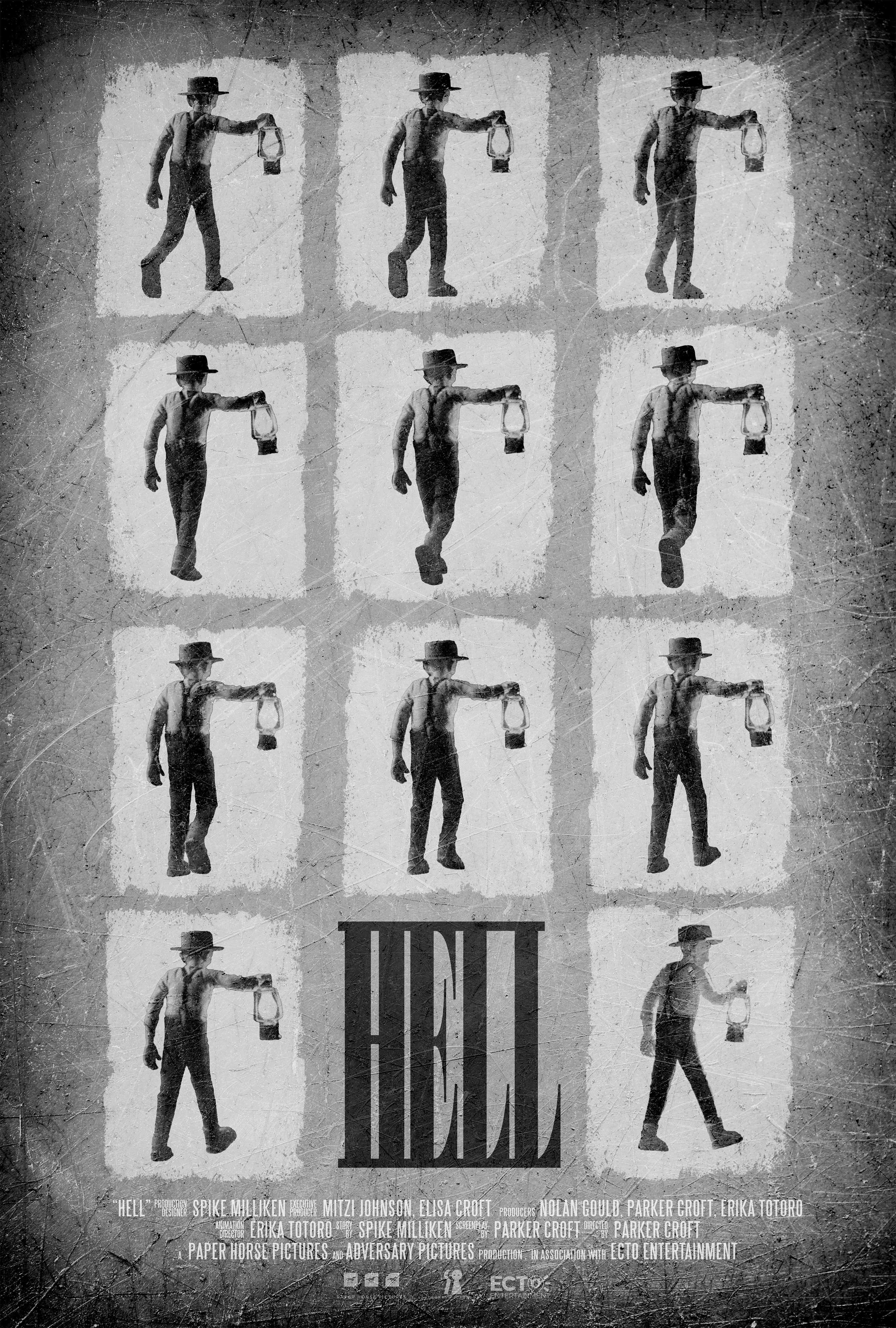
Hell has a striking stop-motion aesthetic — what drew you to this project, and what was your initial reaction when you saw the concept for Ash Harbor?
I met Parker Croft in 2024 when we were both on the festival circuit for our previous films, mine being stop-motion and his this incredible live-action sci-fi film that I was so fascinated by. I had just graduated from SCAD and was on the hunt for my next project, and we just kept running into each other one festival after another.
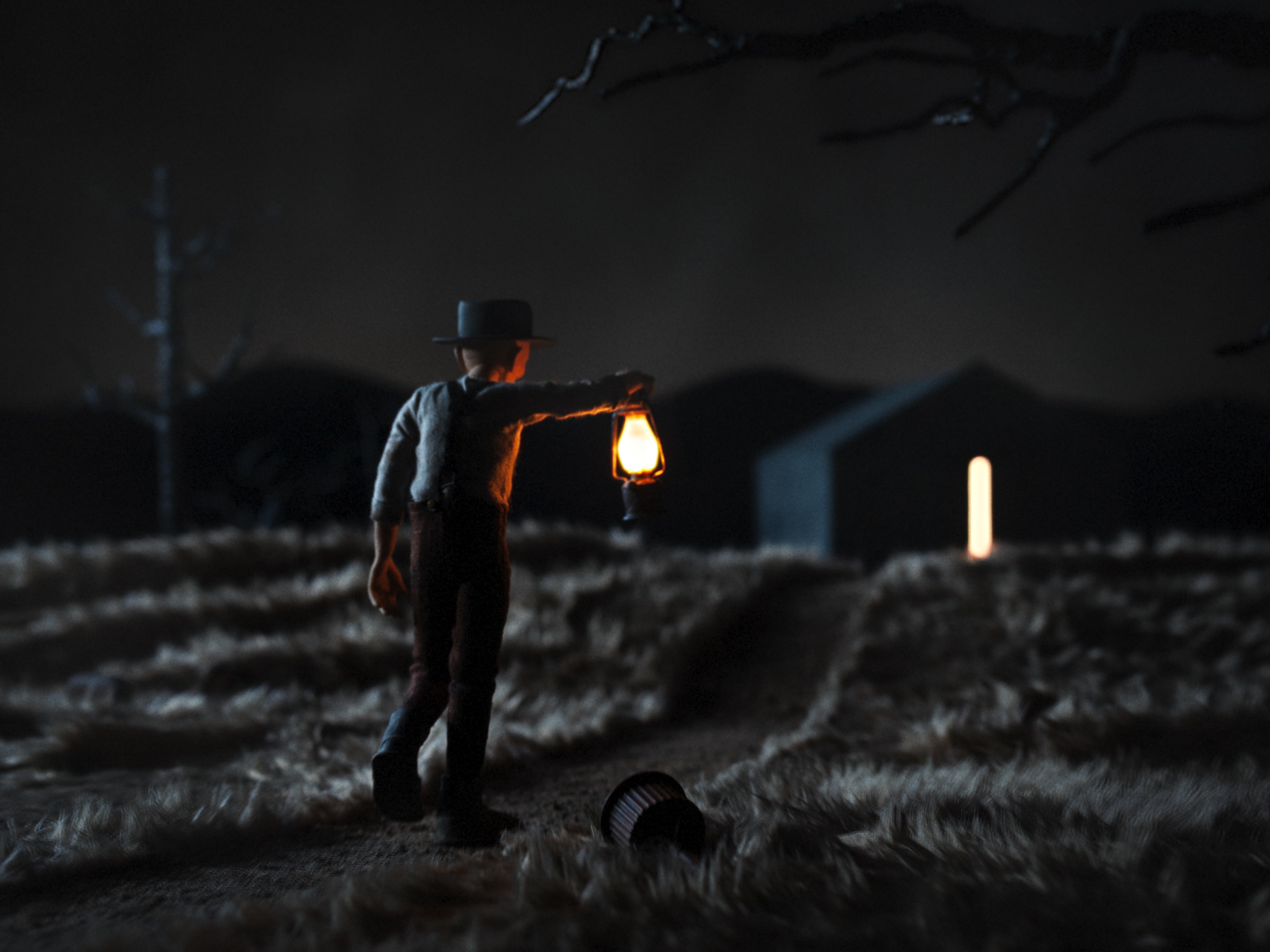
At an after-party at around our 4th festival run-in, Parker introduced me to Nolan, who mentioned the stop-motion project they were starting to develop, and we later got coffee. During that meeting, they dropped these incredibly detailed storyboards on the table, which were basically just individual art pieces for each frame. They just introduced me to Spike Milliken’s art and his whole world of Ash Harbor, where Hell takes place, and all this intricate world-building, and I was just super intrigued. The concept was much darker than anything I had worked on before, but they had never worked in stop-motion before, so we chatted for over an hour about all the technical details and everything they would need to do to pull it off, and they were a little lost when it came to that. Over the course of that convo, I realized this was going to be my next project.
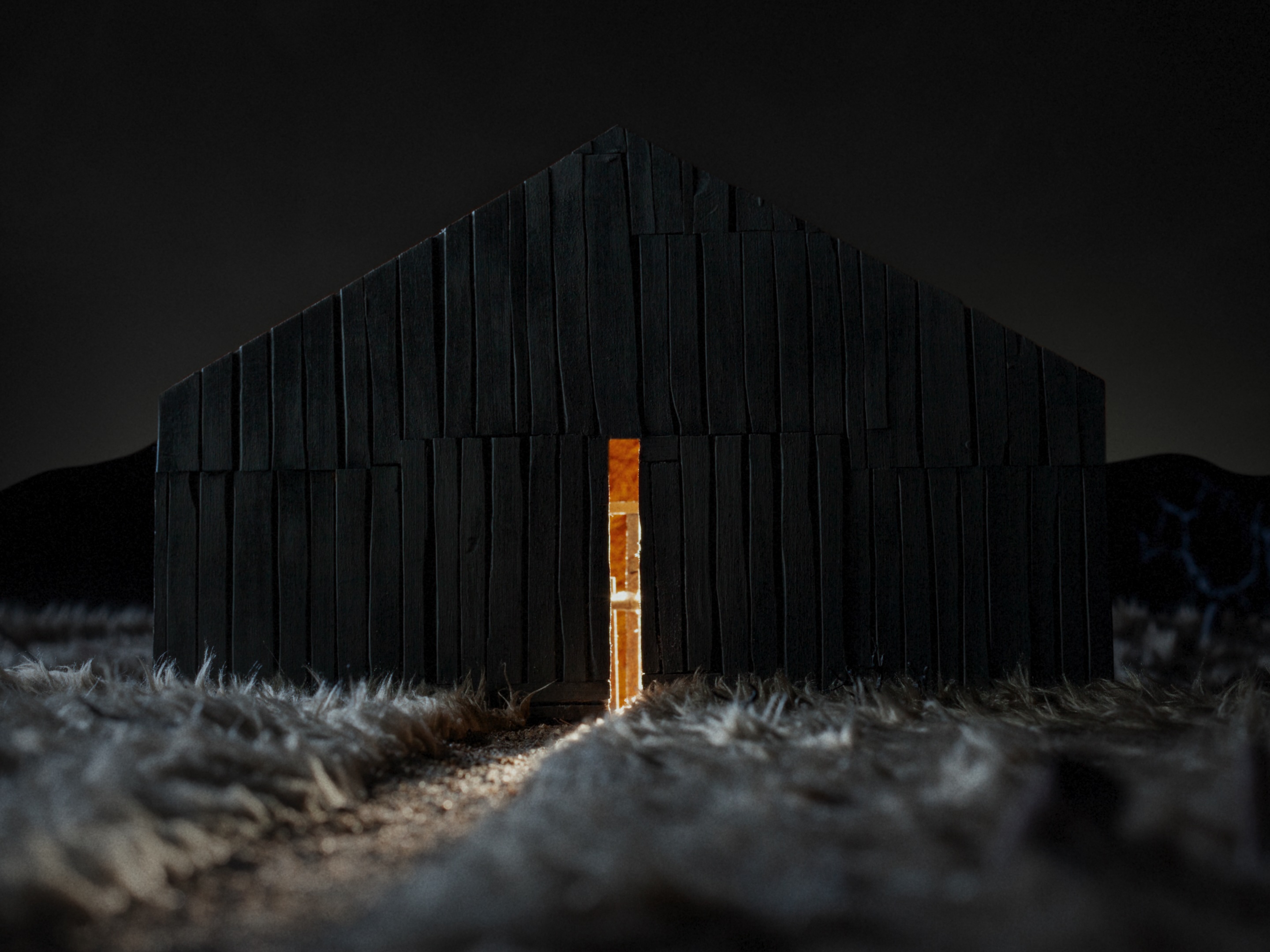
How did you approach translating Parker Croft’s vision into a fully realized animated world?
There are a lot of things when working with a live-action director that can become obstacles without proper communication over the practicality of the medium. When I was at college, we would say “create the idea first,” then you’d work around all the technical obstacles. But it’s easy when you’ve been working in the medium for long enough that you start developing ideas based around avoiding those challenges.
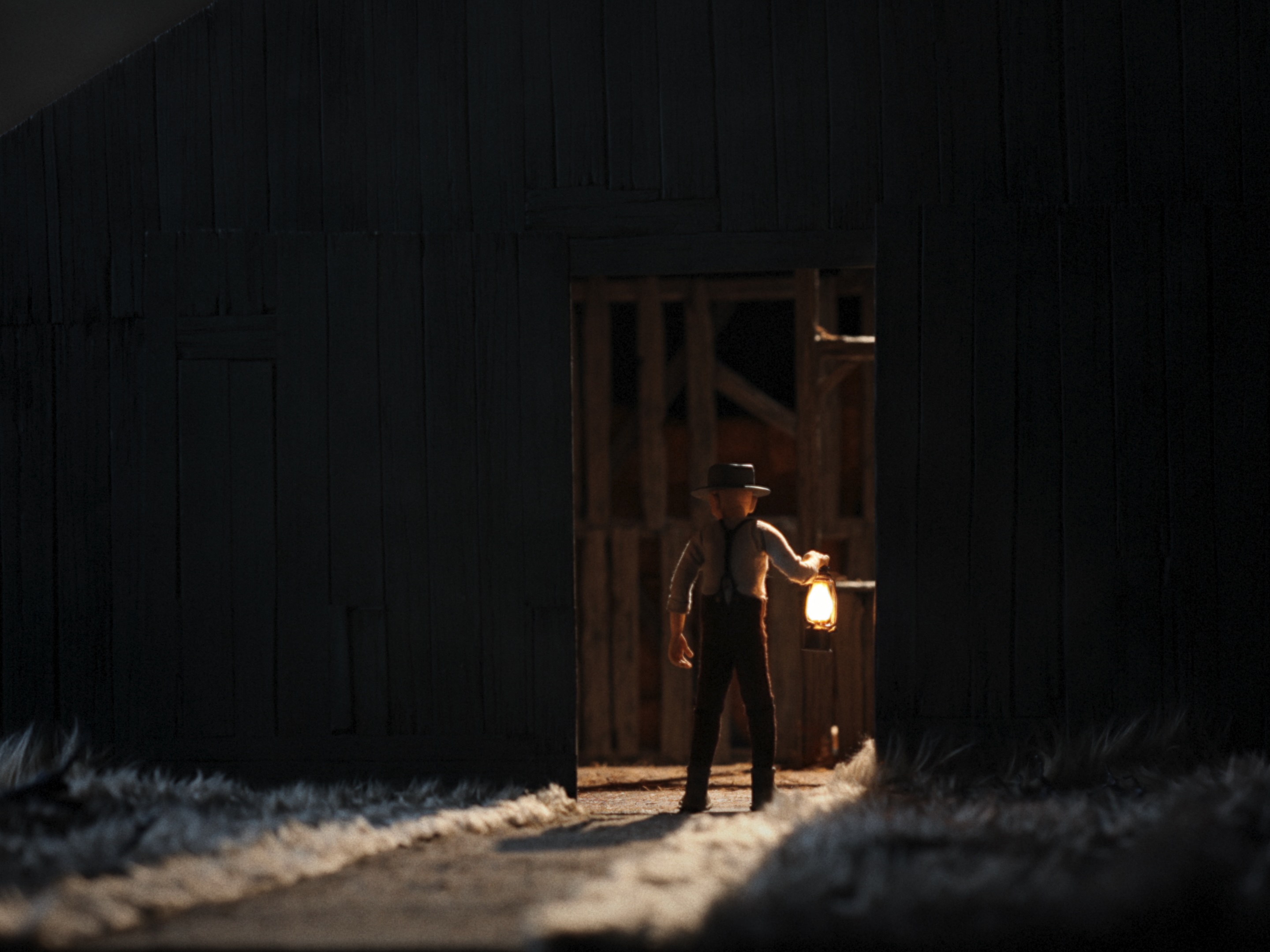
When you’re working with someone who’s never done stop-motion before, they’re unaware of that, so even though there were a bunch of moments in the script and boards that I knew needed to be heavily talked about and problem-solved, I wanted to challenge myself, and I knew we would pull it off.
Stop-motion is incredibly meticulous. What were some of the biggest technical challenges you faced during production, and how did you and your team overcome them?
So there were a bunch- that comes with the medium, every shot has a new challenge. Having flowing water in the story is always difficult, and we played with a bunch of ideas, like some tests with hair gel, before we found something that worked. We have these giant machine entities called the Bathers, which we ended up using live action puppetry for.
We were even able to create our own FX from shooting live-action smoke from a fog machine on a black background, which we composited in along with some stop-motion versions shot with cotton and felt. Just overall, a willingness to problem-solve kept us going.
Our biggest challenge was definitely for this 30+ second time-lapse shot of the sun. We spent months, even before we were physically on set, brainstorming a contraption that had never been created before. We ended up essentially building a motion-control arm out of wood which held one of our lights so we could frame-by-frame animate a full time-lapse of the sun setting and rising.
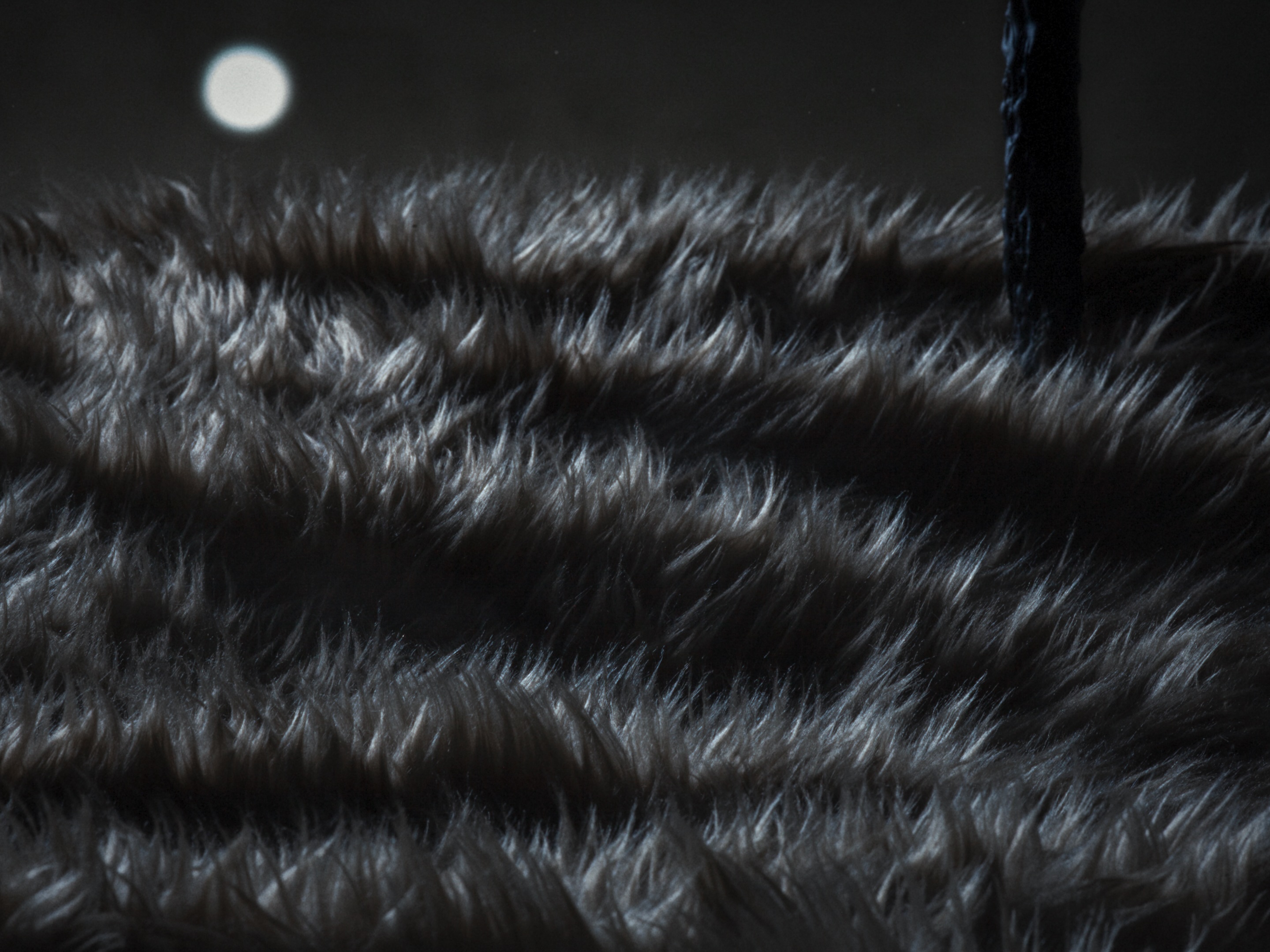
It took tremendous collaboration, and I don’t think it would have been possible without the specific Godox lights we used, which allowed Parker and Nolan to stand on the other side of the room, remotely controlling the temperature, while I was hidden on set, moving the arm 1/16th of an inch every frame for over 300 images. Once we got through that in production, I knew we could get through anything else.
Can you talk about the design and fabrication of the puppets and sets, and how these elements helped shape the story visually and emotionally?
Spike Milliken was the lead force behind the design of Hell and this world of Ash Harbor. He is just such an incredibly detailed artist and sculptor. The amount of work that goes into these set pieces and props that are so tiny, and out of focus in shots that are just 1 second long, you’d have no idea. Making them animatable was a new challenge for him that involved problem-solving between us, but we got it done.
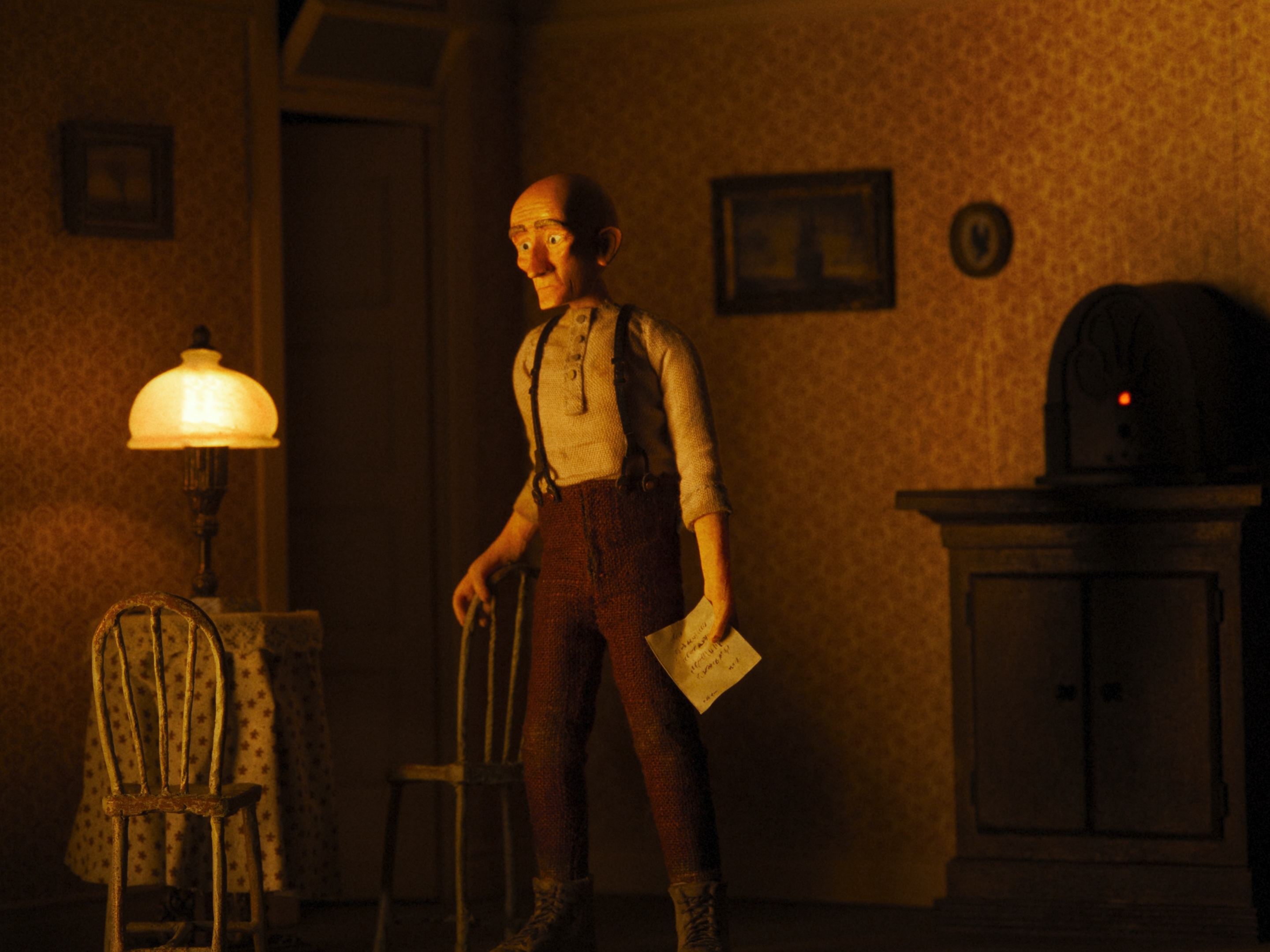
Our beautiful silicone puppet and lead actor, John Hardgrave, was created by an incredibly talented friend, Josie Howe. Spike and Parker both had a very specific vision in mind for John’s design, which was quite life-like but also needed to be smaller than some usual puppets. He’s only 10 inches tall with 5-fingered hands, each finger about ¼ inch thick. Josie was able to pull that off with so much incredible detail and so quickly. I think for a film like this, which involves such strong emotions and needs to capture grief so close up, having such a detailed puppet in those close shots helps us empathize with the character. Also, having an animator who was able to capture such fine movements helps. You don’t want to be thinking about the specifics of stop-motion in important shots like that. You just want the audience to be involved in the story and character.
Working remotely across multiple cities — San Francisco, Los Angeles, Vermont, New York — must have been unique. How did you coordinate with Parker, Nolan Gould, and the rest of the team? 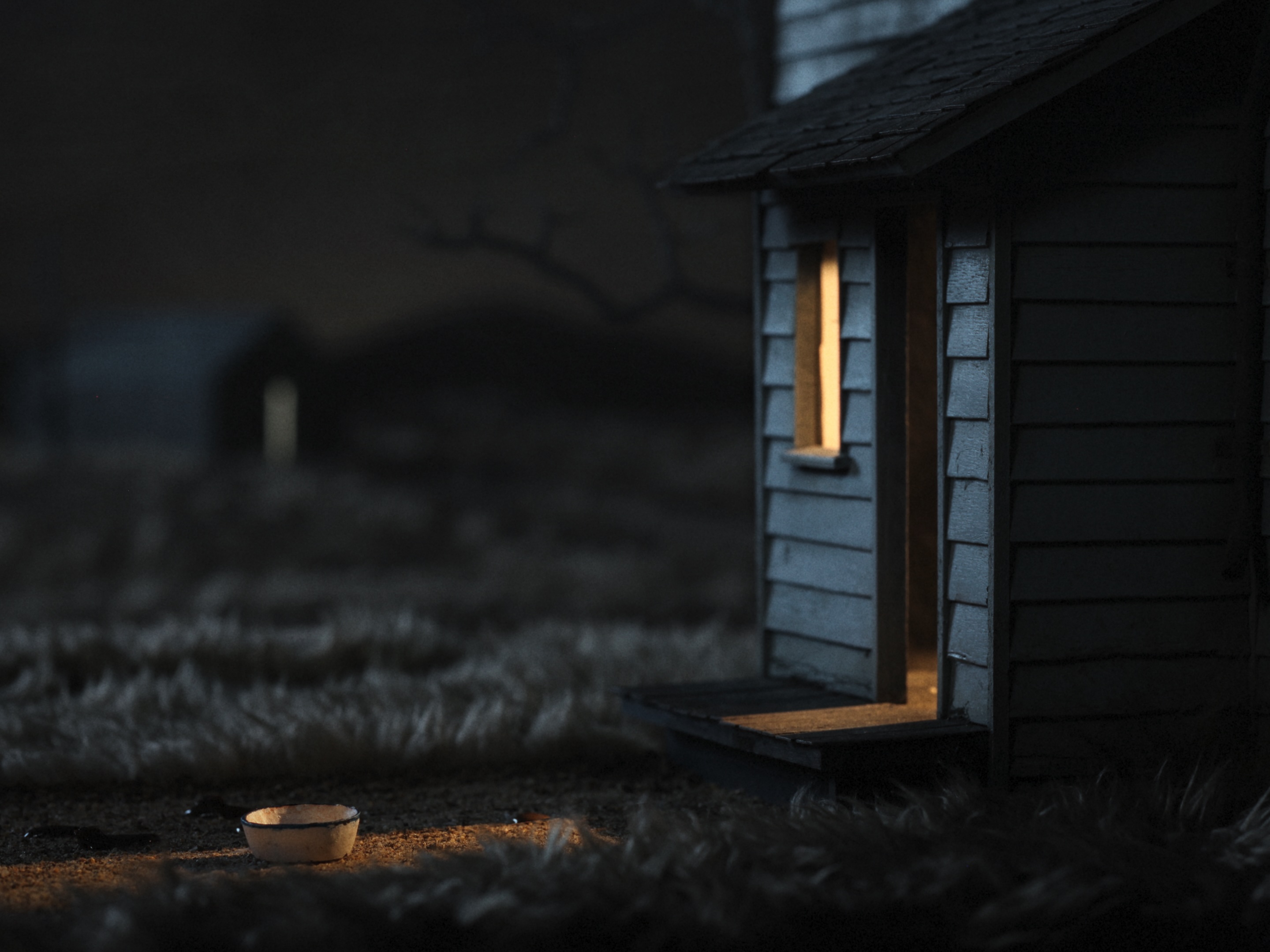
Lots of Video calls! Actually, one of our first calls while in preproduction took place when I was in Tokyo- that was definitely one of the most difficult to coordinate. But no matter where we were, we got it done. It definitely was a unique experience, but I think it’s important to showcase that it’s possible since there is a bit of stigma with stop-motion and its practicality in this day and age, and to be able to coordinate remotely in so many different places was a challenge, but one I needed to prove possible.
Josie was making the puppet in Oklahoma, she shipped it to Spike, who was fabricating the set in San Francisco where we ultimately shot our animation and all lived together. While that was getting started, we were having calls while I was home in New York, Nolan was in LA, and Parker was in Vermont, all giving notes. When we were in the post-production phase, we had recruited help from friends in Minnesota and Florida who worked remotely. I was still traveling for festivals with my last film and was even editing when I was in Ireland. Communication was key- difficult, but possible with open communication and dedication.
Stop motion is known for being time consuming, what was it like working with such a tight schedule?
6 Weeks for 5 minutes of animation was definitely a challenge! Living together for the month definitely helped, yes, an unconventional production, but we turned that studio into a stop-motion summer camp with just around-the-clock thinking for the production.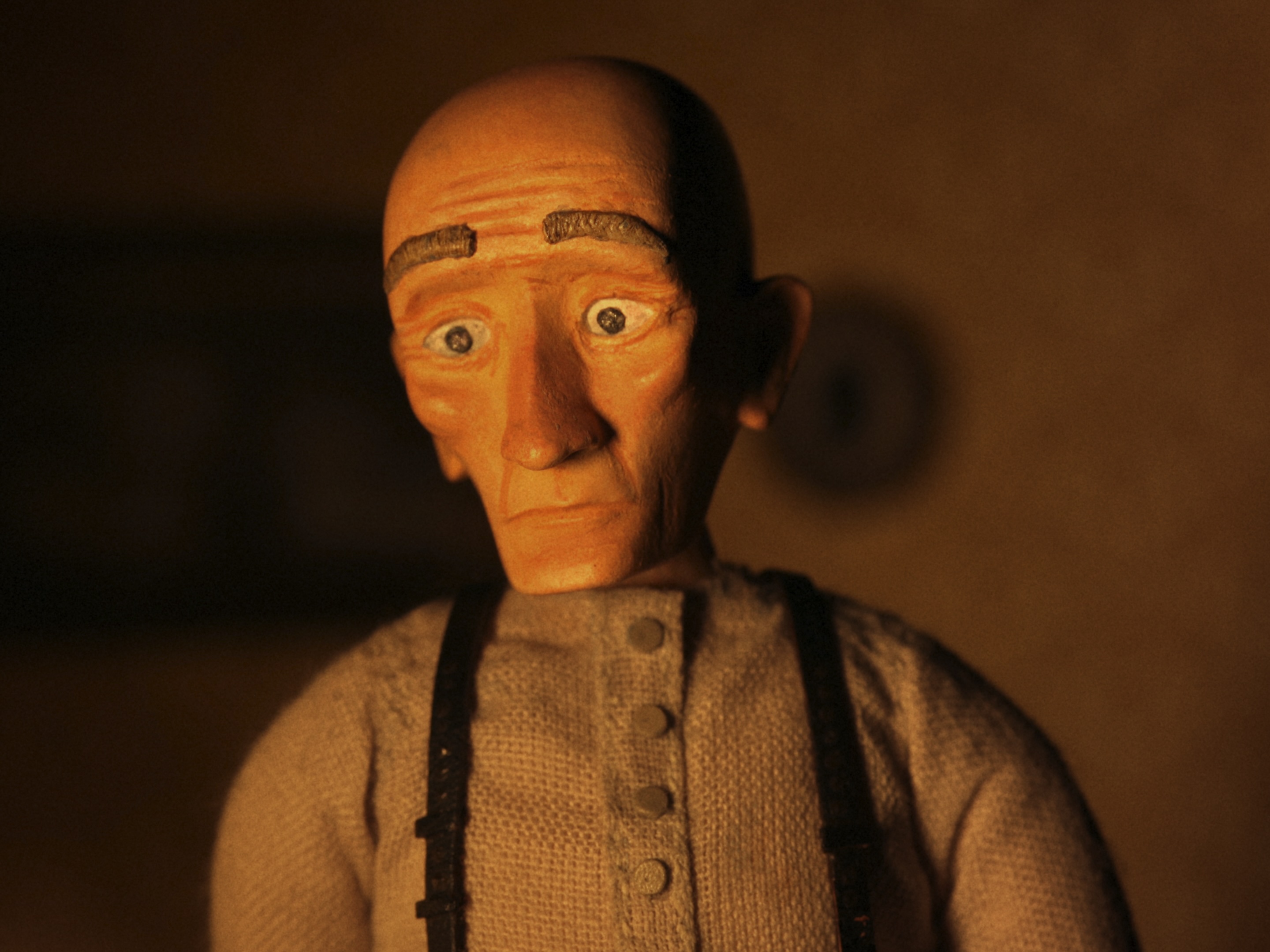
One aspect of the story that initially made me confident in the schedule was the minimal stop-motion puppetry. There are a billion challenges you’ll face when working in stop-motion you can problem-solve, but ultimately, for a human puppet, you really need a talented animator to make a realistic-looking walking shot that lasts for 10 seconds. Our lead animator, Thaddeus Varness, was able to create that seamlessly for 5 shots in only 2 weeks. Under that short time frame, in a building that only had two proper rooms for shooting animation, the rest of the team worked like a conveyor belt. We would set dress the next shot for him in the other room while he was animating, and if we finished that before Thaddeus was done, we would create our own makeshift set building room in a broken elevator shaft in the building. We would mock up the set to give us a reference of how much we needed to build before we were even in our actual room. This just streamlined the process so quickly- one of the great things about working with live action filmmakers is they are always ready to move. We work a lot slower in stop-motion, but Parker and Nolan were just always ready for what was next and ready to make it happen as quickly as we could.
WMM was excited to be able to help production manage this project — what was it like working with WMM?
The whole team at WMM is wonderful, and we had such a positive experience working with them. It was my first time working with WMM, and I’m not sure if they have assisted on a stop-motion production before, but it’s really terrific knowing you have them on hand on a project with such an ambitious work schedule. When working in stop-motion, there are so many challenges and setbacks daily, but knowing we had WMM supporting us was always comforting in those times. 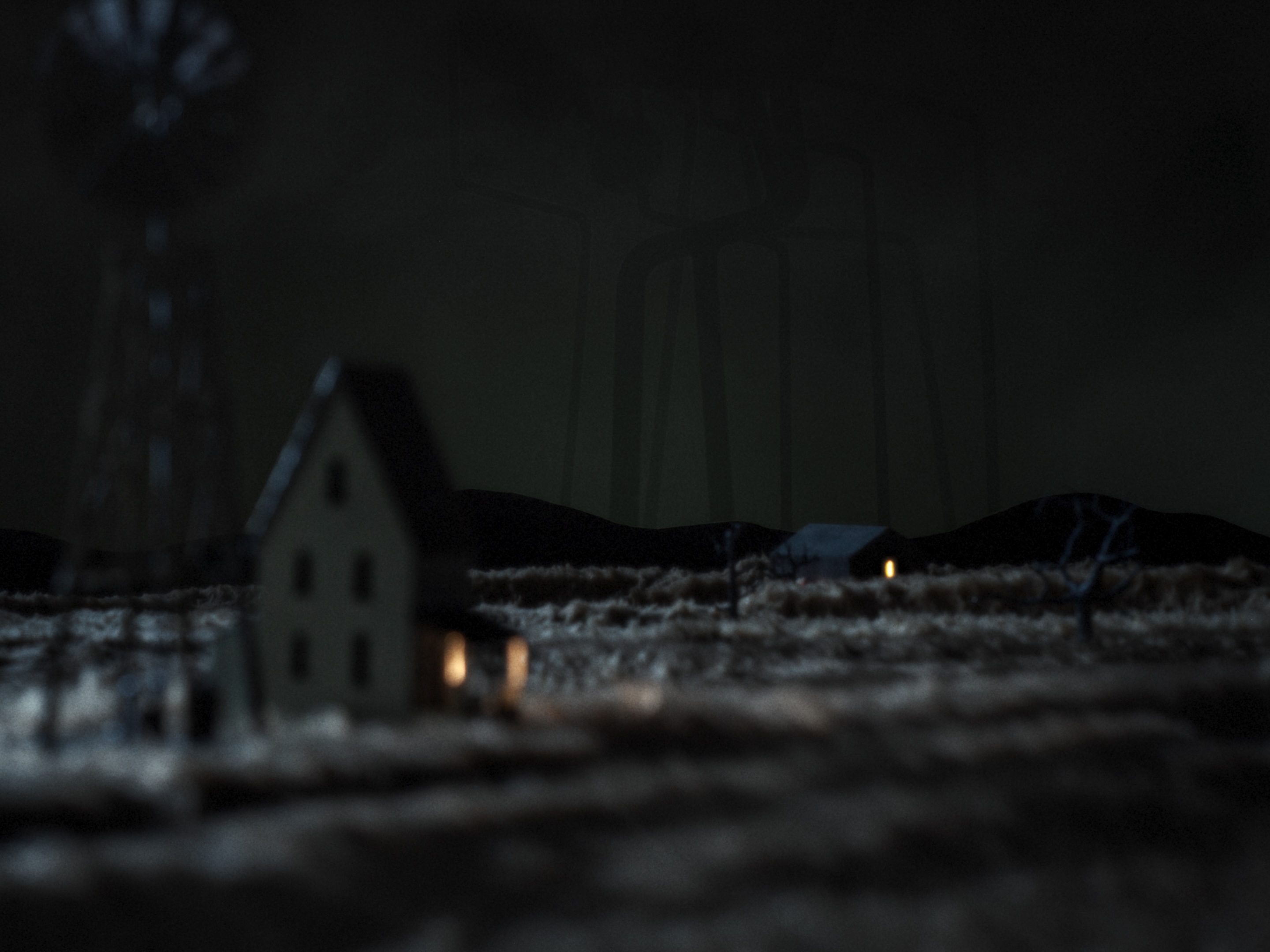
Any particular moment(s) during the production of the film that stood out to you as a personal favorite?
So so many. The entire period of production really felt like a little summer camp. Waking up and eating breakfast together every day before heading to the studio. We also literally made matching friendship bracelets. We got bonded really quickly, spending almost every minute of the day together for weeks, and I think you need to do things like that to boost morale and keep everyone sane. One of my fondest memories was one of our last nights in San Francisco, we had a Christmas-themed wrap party. We had already spent a fun Valentine’s Day together and had a big Superbowl day earlier in production, but when we first arrived, it was at the end of January, and I was still somewhat in Christmas mode, and it just became a running bit to say we’d throw one on the last days of shooting.
But they actually brought out a mini Christmas tree, and we all had on Santa hats and played cards. For a film called Hell, production did not live up to its name, it was one of the most fun experiences I’ve ever been a part of.
Learn more and download the full Electronic Press Kit for HELL here.
Looking for help bringing your next creative project to life? We Make Movies offers access to affordable production insurance, payroll processing, film permit coordination, guidance on SAG-AFTRA contracts, discounts for equipment rentals with top vendors and post-production services like color, sound and DCP Creation. Visit www.wemakemovies.org/prodmanagement and mention "World of Hell" to get 5% off your quote!
